If you’ve been there with your dog, you know that a limb cancer diagnosis is a gut punch. And right behind that shock comes a decision we never thought we’d have to make: do we amputate to remove the affected leg.
Or, do we try to save it with a limb-sparing therapy like Stereotactic Radiation Therapy (SRT) also known as Stereotactic Body Radiation Therapy (SBRT)?
Duncan’s Story: When Stereotactic Radiation Therapy is the First Step to Treating a Limb Cancer

Amputation is a decision that will keep you up at night, and every one of us has different reasons for the path we choose. Some of us decide to amputate, some pursue palliative care, and some, like Duncan’s dad, will choose SRT, which delivers high doses of concentrated radiation to avoid amputation and provide pain relief.
Tripawds Support Circle member Mark Scrivener shared his recent update about SRT. He generously explained what he learned, spent, and experienced, in the hope that it helps at least one other family facing the same impossible crossroads.
What Is Stereotactic Radiation Therapy?
SRT (sometimes also called CyberKnife) is a highly precise, non-invasive form of radiation treatment aimed at saving the leg for as long as possible. It’s not inexpensive, but in some studies it provides an average survival time of 10 months when combined with chemotherapy.
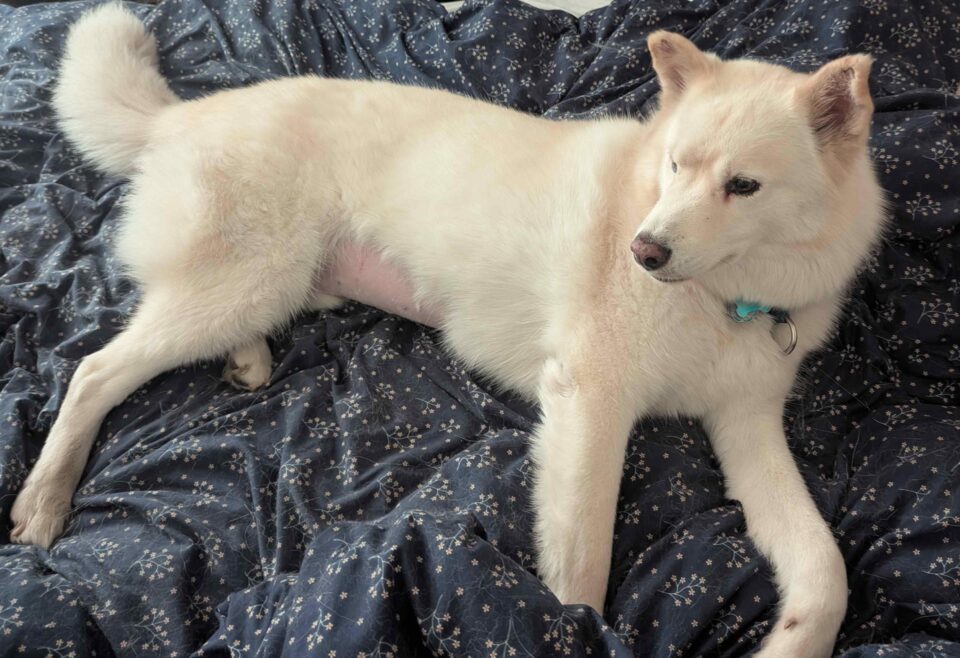
SRT saves the limb by delivering concentrated beams of radiation directly to a tumor. In Duncan’s case, the bone tumor caused by osteosarcoma.
Unlike traditional radiation, which is spread over many sessions, SRT typically involves one to five high-dose treatments over consecutive days.
SRT doesn’t remove the tumor, but it can kill or slow cancer cells and relieve pain.
In some cases, SRT can strengthen the bone around the tumor.
Beyond bone cancer, SRT is also used to treat tumors in the brain, nasal cavity, thyroid, lungs, chest, and pelvic region.
Which dogs are good candidates for SRT limb sparing?
If a dog has a limb cancer, the first step an oncologist will take is a CT scan to map the tumor in detail. That scan gives the oncology team crucial information:
- How large is the tumor?
- What’s the risk of fracture?
- How likely is a good outcome?
For some dogs, that CT scan will decide the next step: if the fracture risk is too high, amputation is likely the better path. For others like Duncan, SRT can be a meaningful limb-sparing option.
Why Duncan’s Dad Picked SRT Over Amputation
“We were having a very hard time taking his leg when he was using it just fine,” Mark shared in November 2025. It appeared they had caught Duncan’s tumor early, the mass was small, and the risk of fracture was low. And so began their limb-sparing journey.
Duncan’s SRT Experience Was a Good One Overall
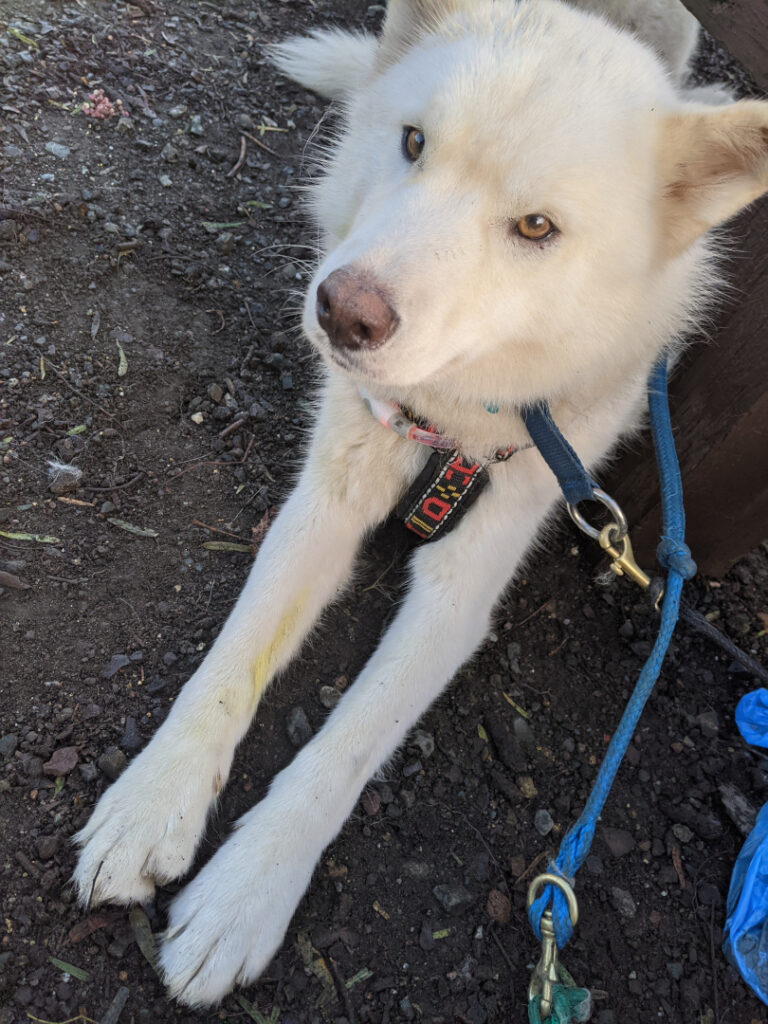
For Duncan, the SRT sessions themselves were unremarkable, which is about the best you can hope for in this situation. He had to go under general anesthesia multiple times on consecutive days, but outside of that, he appeared fine.
Duncan did experience some swelling in the limb before treatment, but it disappeared within days of finishing. He wasn’t limping before SRT, so Mark can’t say how fast pain relief happens for dogs who are painful from the limb tumor.
After treatment, Duncan moved on to carboplatin chemotherapy to knock out any microscopic metastasis. He was also given Zoledronate bisphosphonate infusions to strengthen the bone, and he got both doses of the Yale canine osteosarcoma immunotherapy vaccine.
Other than being tired for a day or two after chemo sessions, Duncan seemed like a perfectly normal dog. Life, for a while, felt close to what it used to be.
What It Costs
Let’s be real: SRT is far more expensive than amputation alone. Duncan’s family paid just under $18,000 for the treatment and about one third of that was just the CT scan and planning phase. Chemotherapy and Zoledronate added roughly $13,000 more. That’s a significant investment before you even account for future care.
“Funds spent now are funds not available for future treatments,” Mark cautioned. It’s something every family should factor in honestly before committing to SRT or any limb-sparing option that may ultimately lead back to amputation. In Duncan’s case, it did. Total additional spend over what a straight-to-amputation path might have cost: roughly $30,000.
If you have pet insurance, check your policy carefully: some plans will cover SRT, making it feasible for dogs who are insured. And if you don’t have insurance (like Duncan’s family), make sure you’re having an honest conversation with yourself and your vet about what costs you can realistically sustain.
How It Played Out: Seven Months on Four Legs, Then Amputation
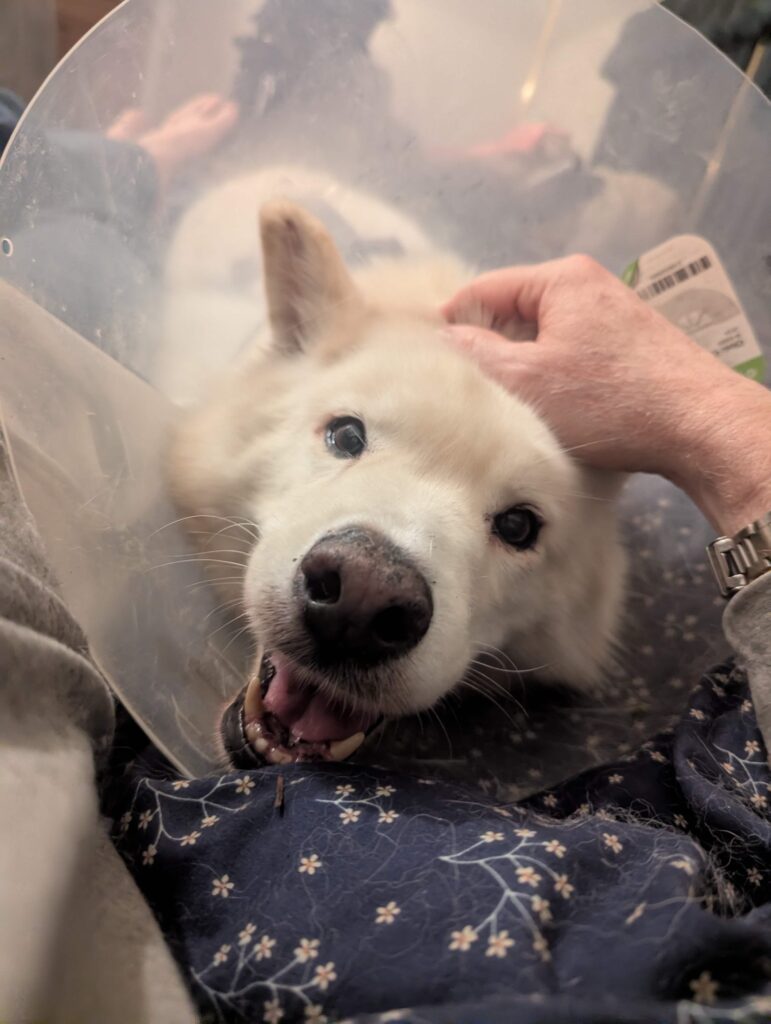
By late February 2026, Duncan had finished all treatments and settled into a new normal. Then in early May, a slight limp appeared when he first got up. It was gone after a few steps and although X-rays were read as arthritis, Mark’s gut instinct said otherwise.
By early June the limp was lasting longer when Duncan was active. By mid-month, the oncologist confirmed mild tumor progression.
On June 23rd, Duncan joined the Tripawds community.
“He seems more mobile already and I’m starting to see his personality a little.”
Duncan is only a couple of weeks into recovery, but he’s getting better every day. With his family’s dedicated support, we know he’ll get there. As for the long road from SRT to amputation, Mark has no regrets.
“SRT got us 7 months of good time with all 4 legs,” his person reflected. “Since humans live about 7 times longer than dogs, that 7 months is comparable to 4 years of our lives. I’m going to call it a win.”
Read Duncan’s SRT story in the Tripawds Support Circle
SRT Pros and Cons to Consider
If you’re considering a limb sparing treatment like SRT, here are some considerations and questions to ask your oncologist.
Potential advantages of SRT:
- Preserves the limb, at least for a time. It’s a good option for dogs who aren’t good amputation candidates
- The procedure itself is relatively low-impact with a fast recovery
- It may provide pain relief and improve quality of life quickly
- Some studies suggest comparable or even improved survival times versus amputation and chemo (though the data is debated)
- The CT planning phase gives you additional information before you commit
Real limitations and risks:
- It’s not a cure. Most dogs with osteosarcoma will still face metastasis
- Many SRT patients eventually need amputation anyway, meaning you may pay for both
- Without the tumor in the lab, targeted chemo or immunotherapy based on genetic tumor analysis isn’t an option
- Amputation remains the “gold standard” in veterinary oncology
- SRT cost is substantial, and if you later amputate the treatement costs escalates
- General anesthesia on consecutive days carries its own risk for some dogs
Is SRT Right for Your Dog?
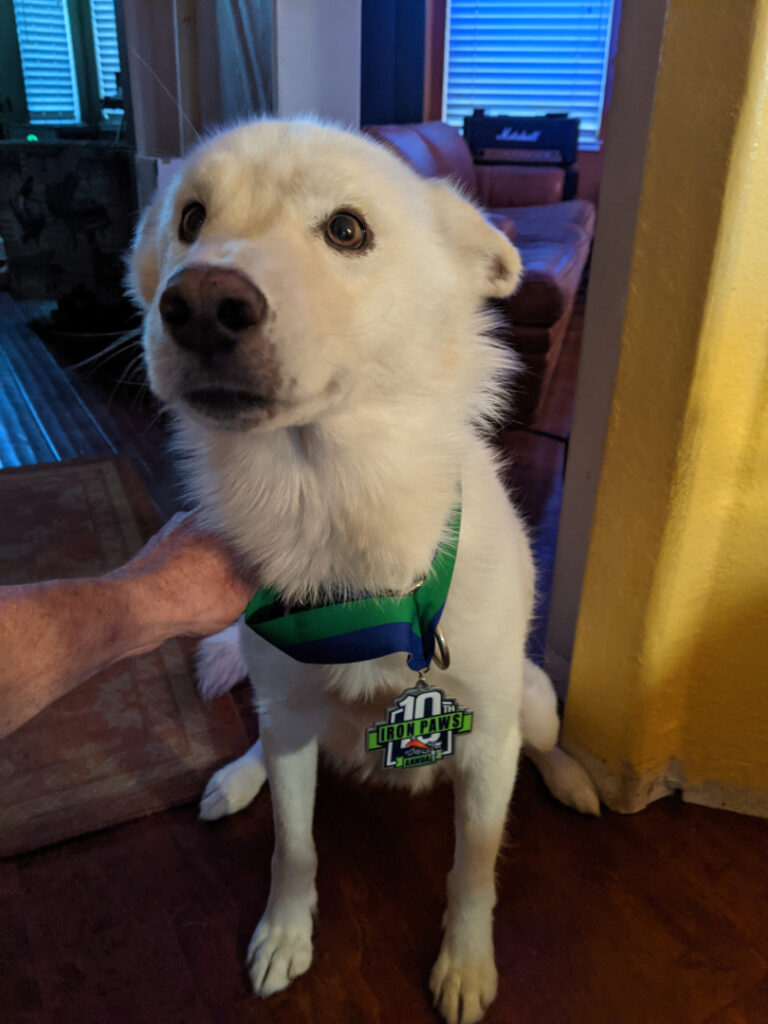
Every situation is different and nobody here will judge you for the treatment choice you make. The factors that made SRT the right first step for Duncan (early detection, small tumor, low fracture risk, active large dog with front-leg involvement, no limp at the time of decision) won’t apply to every dog.
What Duncan’s story tells us today is that SRT can be a meaningful, legitimate choice. It’s one that bought real quality time to him with limbs he was still using well. But it also came with a real financial cost, an eventual amputation anyway, and unknowns that all dogs on three legs will face.
If you’re still deciding, the best thing you can do is gather your information.
Stories like “Cyber Knife Gives Hazel More Happy Days” and Nova the Bulldog are helpful firsthand SRT examples to review.
Then talk with a veterinary oncologist, and check in with the Tripawds Support Circle — where members like Duncan’s dad are sharing their experiences and offering non-judgmental support so you don’t have to navigate this alone.
Have you or your pet gone through SRT? Share your experience in the Tripawds Support Circle! Your story could be exactly what another family needs to hear.