If you’re new to our community, you’re probably wondering if a dog or cat with three legs can live a happy life. Rest assured, they can, and we’ve got the survey data to prove it!
Download the 2026 Tripawds Quality of Life Survey Report below to get the real story from 160 families who took time out of their busy lives to share the highs, lows, and everything in-between for amputee dogs and cats.
The 2026 Tripawds Quality of Life Survey Tells All
You’ll hear veterinarians (and us) say that dogs and cats can do really well on three legs. But you don’t have to take our word for it.
This year we surveyed two groups:
- Pet parents who went through amputation with their four-legged dog or cat.
- And pet parents who intentionally adopted an amputee animal.
Whether their Tripawd was still living or now at the Rainbow Bridge, every story counted.
A whopping 160 responses helped us paint the clearest picture yet of what recovery, adaptation, and daily life really look like.
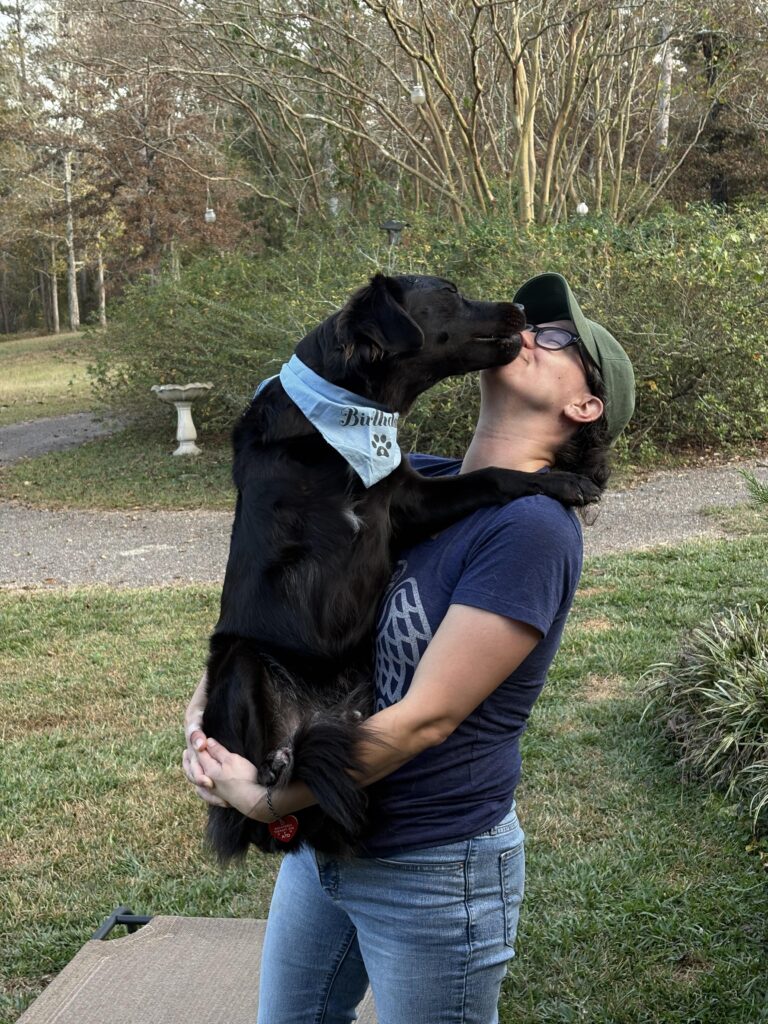
FACT: Tripawds Are Thriving
People who don’t know any better sometimes feel sorry for a dog or cat missing a limb. But ask anyone in our community, and you’ll hear a different story:
The vast majority of pet parents say missing a limb doesn’t stop their Tripawd from living a full, happy life.
In fact, 97.5% rated their pet’s quality of life a 4 or 5 out of 5 (with 5 being best), and 76.9% gave a perfect 5. The overall average score across all 160 families? A very solid 4.74 out of 5.
“Dogs are very resilient and they can have just as good a life on three legs as four. Just make sure they rest when they need it.”
FACT: Dogs and Cats Adapt to Limb Loss Faster Than We Expect
Amputation recovery is often described as a roller coaster, with plenty of ups and downs. And honestly, that’s true for most pets recovering from any surgery.
But when things feel tough and our pet looks so different without that “spare leg,” our imagination tends to make the transition seem harder than it really is.
We often picture limitations our pets never actually experience once recovery is behind them.
Nearly 72% of survey respondents said their pet’s recovery was faster than expected, and 96.8% rated their Tripawd’s adaptation as “Good” or “Great!”
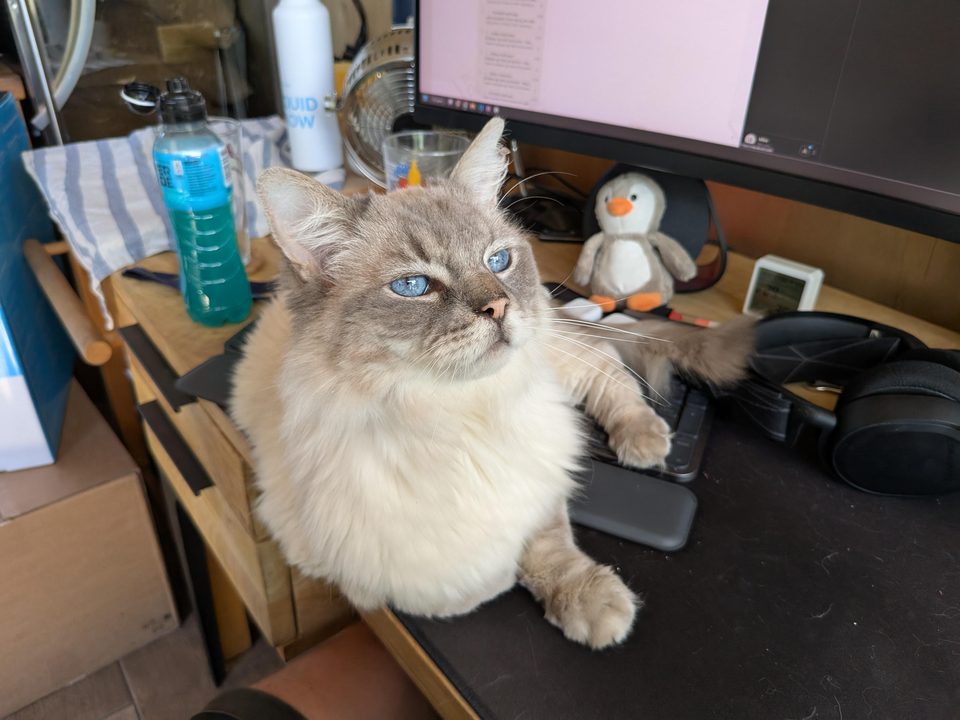
“Taco is just as active as my other cat in my home.”
FACT: Amputation Can Be Harder on the Humans
Here’s one fact the survey reveals clearly: your pet’s physical recovery and your emotional experience are not the same journey.
Emotional stress showed up as one of the top challenges pet parents reported. This stress hits hardest early in recovery.
A total of 55.6% of parents in their first six months selected emotional stress as a challenge, compared with just 19.4% of parents six or more years into the journey.
“They adapt quickly, I felt it was harder on us parents than it was on our dog.”
If you’re going through recovery right now, the takeaway is this: it gets easier, and you’re not imagining how hard the beginning is.
Our pets are remarkably resilient, sometimes more than we give ourselves credit for. If you need to talk it through, our free Tripawds Support Circle community is full of people who’ve been exactly where you are.
FACT: A Great Tripawd Life Needs More Than a Good Recovery
Those first few weeks of life on three are only the first chapter in a Tripawd’s story. Pet parents told us the biggest challenges included:
- Financial cost of surgery and any additional treatment (33.8%)
- Managing activity and activity restrictions (33.1%)
- Emotional stress for the pet parent (32.5%)
- Mobility and balance support (26.9%)
- Finding reliable information and support (15.6%)
- Pain management (14.4%)
“Start with rehab early and give yourself grace, this is for life and the journey is worth it.”
Another respondent summed up several practical ways to support a Tripawd:
“Physical therapy, a good harness with a handle, weight management, swimming.”
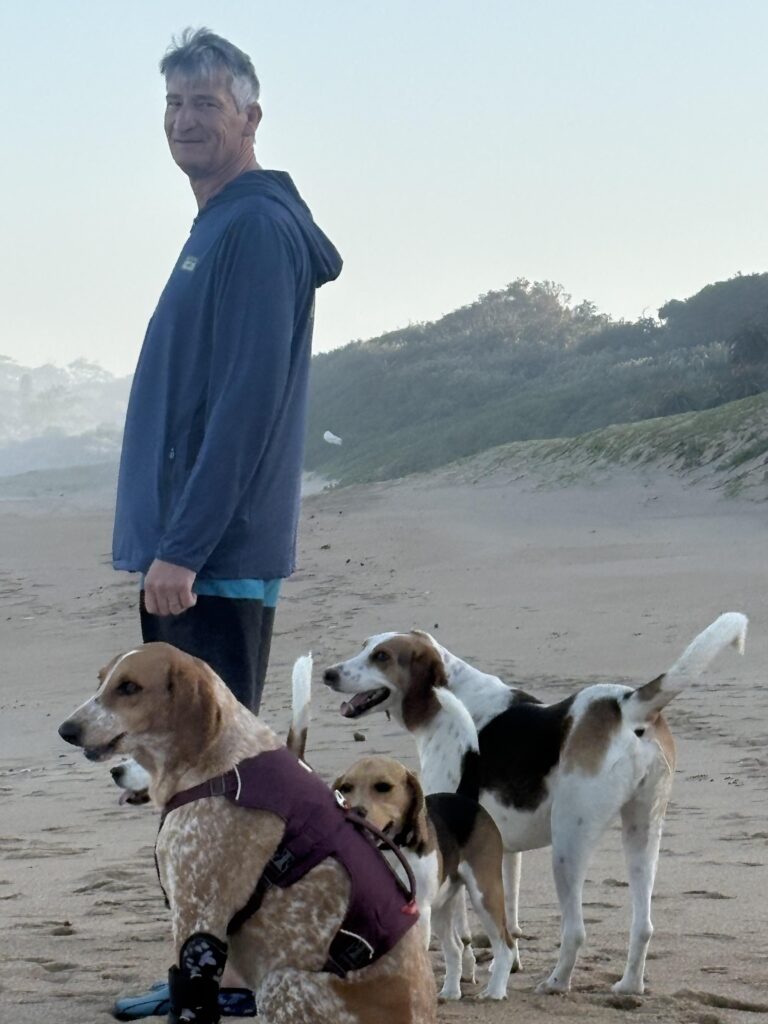
Sometimes people feel like we only show the brighter side of the Tripawds experience, but as the survey points out, there are plenty of areas where caring for an amputee pet can be tough.
If you’re going through any of these challenges, let us help you.
FACT: Adopted Tripawds Defy Expectations
Some people looking for a dog or cat to adopt will pass over a Tripawd because they assume it’s more physically limited than they want to deal with. But our community tells us, this assumption is often wrong.
Among people who intentionally adopted an amputee dog or cat, 86.2% said their new pet was physically capable of doing everything they’d hoped for. Only one adopter said otherwise.
Their message to you: don’t assume a missing leg means a limited life.
“Adopt the dog because its personality not condition.”
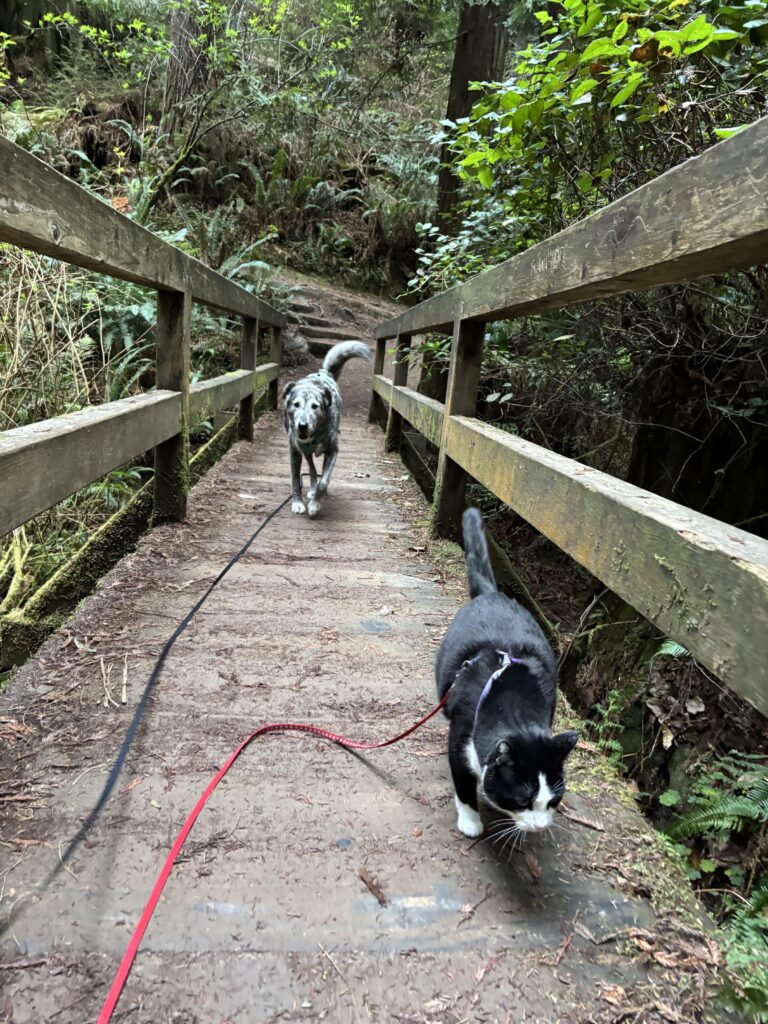
And yes, that goes for cats too. Twelve of our 160 respondents were Tripawd cat parents, and their experiences add another encouraging perspective: living on three legs doesn’t automatically mean a more limited life.
Get All the Details in the 2026 Tripawds Quality of Life Survey Report
The Tripawds Community is Making Life Better for Amputee Dogs and Cats!
It’s hard to believe that this November marks 20 years since Tripawds went online. In that time, we’ve watched quality of life for amputee dogs and cats get better and better.
These advances are thanks to the veterinarians who refer clients to our Support Circle, the pet parents who took the time to complete this survey (all 160 of you, on a survey that was anything but short!), and the pawesome Tripawds Ambassadors who share the highs and lows of life on three legs.
Tripawds Awareness is growing, thanks to all of you!
Download Full Quality of Life Report
If you completed the survey, thank you! Check your email for your link to download the full report. Your responses will help others on their own Tripawd Journey. Or, download the report now below.