“What would you do if this was your Tripawd?“
It’s the question every pet parent wants answered, and the one no vet can honestly answer for you.
In this Tripawd Talk episode, Dr. Alex Avery of Our Pet’s Health and the Call the Vet podcast joins us to talk about why that’s actually good news: there’s no universal “right” choice when your pet is facing amputation, cancer treatment, or end-of-life care.
There’s only the choice that’s right for your pet, your family, and your circumstances.
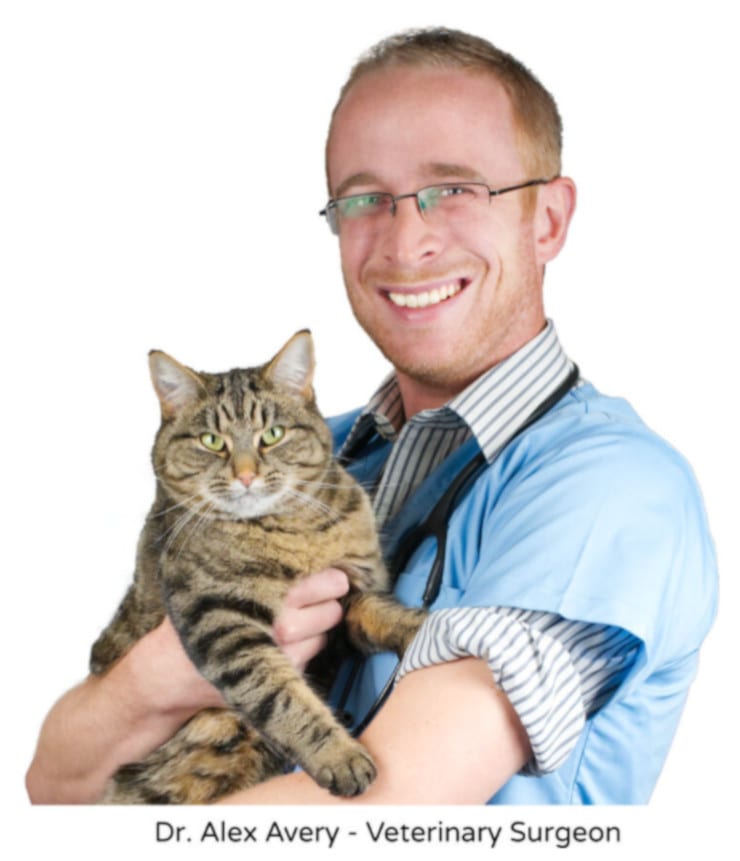
Tune in as Dr. Avery draws on his own experience with a scary diagnosis for his cat Molly. He unpacks what actually goes into a sound treatment decision, like:
- quality of life observations
- your pet’s personality
- your finances
- your capacity to provide care
- and yes, even the risks of doing nothing at all.
He also introduces his AI-powered Treatment Decision Toolkit, built to help pet parents organize their thoughts, ask their vet the right questions, and land on a decision they can feel at peace with, guilt-free.
If you’ve ever felt frozen by an impossible choice for your pet, this conversation is the reassurance, and the roadmap, you need.
Tripawd Talk #139: Facing the Hardest Decisions for Your Pet
With Dr. Alex Avery
Subscribe to Tripawd Talk Radio in your podcast player app!
The Pet Vet Treatment Decision Toolkit Framework
There’s rarely one “right” treatment decision. The best choice depends on your pet, your family, and your circumstances.
Quality of life, realistic expectations, finances, and practical limitations all deserve consideration and no guilt.
Organized information and thoughtful conversations with your vet can help you make decisions with more confidence and peace-of-mind.
Save 10% Off Dr. Alex Avery’s Treatment Decision Toolkit with Coupon Code: TRIPAWD10
Tripawd Talk Radio Podcast #139 with Dr. Alex Avery
About Dr. Avery
Dr. Alex Avery, BVSc, is a practicing veterinarian, educator, and founder of Our Pets Health. Through his podcast, YouTube channel, and online resources, he helps pet parents make informed healthcare decisions using practical, evidence-based guidance and compassionate communication.
Resources
- The Treatment Decision Toolkit (Use coupon code TRIPAWD10)
- Call the Vet Podcast
- Best Pet Health Tips for Tripawds from Dr. Alex Avery (September, 2018)
- tripawds.com
- tripawds.circle.so
Tripawds Podcast Episode 139 Transcript
Introduction
TRIPAWDS: Alright, we’re here with Dr. Alex today. Thank you so much for joining us, it’s been so long!
DR ALEX: It has, and it’s a pleasure to be back and speaking with you, Rene. Yeah, it’s been a while, but it’s great to be back.
Making Difficult Treatment Tripawd Decisions
TRIPAWDS: Yeah, likewise, and you are still doing some amazing work out there on the internet, and in YouTube, and your podcasts, and I’m a faithful subscriber, and I try not to ever miss an episode, sometimes I can’t keep up, but one episode that caught my eye last year… Was an episode you’ve made about making treatment decisions for your pets. And I thought that was really interesting, because a lot of times, pet parents tend to forget that veterinarians… we know you love animals, we know that, obviously you want to be doing what you do.
But we also forget that you have to make health decisions for your pets, too. And it’s never easy for anybody, no matter where you work, or what career you’re in. So, talk to me a little bit about what prompted that episode, and later about a treatment decision-making tool that we’re going to discuss that you also created.
DR ALEX: Yeah, sure. So, I’ve got two cats, Molly and Millie, and it’s scary how old they are. When I look back, I still think of them as young cats, but they’re 9. And they’ve both gone through, actually, and you won’t be aware of this, but Millie’s had a bit of an issue as well recently, but Molly last year, so she, We noticed that she was, you know, maybe losing a little bit of weight, she seemed otherwise fine.
And, Yeah, after kind of monitoring that and realizing, yeah, no, there is definitely a problem, it’s not us, we took her into the… took her into the vet clinic, to have a blood sample. My wife’s a vet as well, but, you know, cats are cats, and they don’t behave at home as they do in the vet clinic, so I tried to take a blood sample at home, and she wasn’t having any of that. But long story short of it, we found that she was, very anemic, so her red blood cells were low.
We went through a, I guess, a big, then, investigative process And journey around that conditioned to try and find out what it was, and then to try and find out something that would actually work, because as well. we have a joke that staff pets always get the weird and wonderful and complicated and difficult to treat things, and Molly was part of that.
So, going through that process of deciding, you know, what do we have to do, what’s essential to do, what would be a nice-to-have, but it’s half an hour into the vet clinic for blood tests, and for maybe investigations, and she hates that, and… and there’s costs involved as well, because, you know, we’re… we’re not paid massive amounts of money. People might be surprised at that. And, you know, and absolutely costs of expensive… of… of… of complicated tests and… and, challenging treatments can really add up for everybody, right?
I guess going through that from more of a client perspective, although I was the primary vet as well, you know, I guess it reinforced the belief that, having good information and a clear understanding of the situation is vitally important. And I’ve always believed that, which is why I started to do what I do in the online world. But I guess it gave me that… added dimension of having that emotional involvement and the challenges that that… Can bring to making the right decision for your pet and for your family as well.
TRIPAWDS: That is so spot on, and, you know, you described a lot of things that… like us, regular pet parents that we have to deal with. you have the knowledge to know what’s behind these lab tests and what they mean, but the emotional impact of having to weed through all of that information is just as overwhelming for you, even though you have that knowledge.
DR ALEX: Yeah, you second-guess yourself more, you know, and I definitely leant on my colleagues, and I know there are some vets, or there are plenty of vets out there who won’t treat their own Pet?
TRIPAWDS: Yeah.
DR ALEX: Because they… because it’s so much harder to make decisions, and so they will… you know, they’ll obviously be making the decisions, but they’ll have a colleague who will… be recommending the test, doing the exams maybe, or doing any surgery that needs to be done.
Now, that wasn’t me, I was happy to, you know, to do that, but I definitely leant on my colleagues to make sure that I was going down the right track, and there wasn’t anything that I was missing out on. So, yeah, it definitely adds a level of complexity.
TRIPAWDS: Yeah, for sure. And, you know, in all of our years of doing tripods, I’ve noticed that The few veterinarians that have joined our community because their pet was gonna lose a leg. They tend to take this situation really hard. like, almost like they’re blaming themselves, or like, oh, what did I miss?
Or… I can’t help but think that having all of that information has got to bring with it a whole other level of maybe guilt, even? Because, like, you know, I’m a vet, how did I not know this?
DR ALEX: Yeah, potentially, yeah, and depending on how… because, our pets, they don’t complain, and it may well be with Molly that this would be going on for quite some time before we picked it up. But we just don’t know. we’re still… we’re still humans, we’ve still got our, you know, our lives, we’re still busy with… With kids and jobs and… and everything else, so it’s… it’s just as easy for us to… To miss things in inverted commas, but… you know, they’re things that are very hard. Our pets can’t talk to us, and that’s the big… that’s the fundamental challenge that we all have.
TRIPAWDS: Yeah, absolutely. Especially cats. we talk a lot about, you know, pain signals, in tripods, and cats are tough. Cats are really tough to find when something’s wrong. Yeah. So, you had mentioned looking for the right decisions, and that tends to weigh heavily on us when we’re in a situation, especially like amputation. We have the information from the vet, we’re told, you can do this, or you can do that.
And usually, in our community, somebody’s pet is losing a leg because of cancer, and they’re told, you can… Amputate? Or you can euthanize. Or you can try these really, really expensive limb salvage procedures that may or may not work, and you might end up amputating anyways. Yeah. And it’s… you’re just overwhelmed, and so… Sometimes I see a lot of people tend to take a very long time to reach a decision.
We like to say that there are no right or wrong decisions, especially when it comes to amputation. You know, whatever decision that you make is… The decision for you and your pet, and nobody can help you make that decision.
But you have to make it at some point, or your pet’s going to suffer. that is just a fact. So… You have said that doing nothing carries a certain amount of risk. How do you suggest that we… Make the decision So that our pets are not burdened with the risk of our being frozen about the whole thing.
DR ALEX: So, there’s definite… Extra challenges, aren’t there, when you’re talking about limb amputation because of cancer, because you’re talking about, A potentially fairly time-critical… decision, and there’s lots of other situations and emergencies where that is important, but a lot of the time, even with that, you can afford to take a step back. You know, even if it’s just… I’m gonna step out for 10 minutes and just get over that shock of what I’m being told, or I’m gonna make an… you know, you’re seeing your vet in the morning, right, I’m gonna go home. I’m gonna make an appointment for this afternoon, and we’re gonna talk a little bit more about it.
I think, you know, the first thing is, right, we need to just try and take, not emotion out of it, but we need to take those heightened states of emotion, the immediate panic out of it. Because, like you say, doing nothing is also a decision, and it also carries… the risk of side effects, I made a video of the un… I think it was the side effect of painkillers that no one talks about, and the whole point of that was that actually not giving painkillers is the… the impact of that is that it can leave your pet in pain, so there’s the side effects of all the medication that we can give, sure, but the side effect of… not doing the thing, whatever that thing is, be it amputation, be it, you know, whatever, carries the risk of things carrying on as they are, and that could be unacceptable.
It could be that that’s actually a perfectly reasonable step to take as well, but we need to be aware of that, rather than just being scared of, I guess, the side effects. But how do we, you know, how do we make a decision? I think the next thing to say is there’s no… best decision. There’s no… right decision that is universal for everybody. So… we can wrestle with that and go, oh, what would so-and-so do? What would… you know, I’m asked a lot of the time, well, if this was your…
Quality of Life and Practical Considerations
TRIPAWDS: Right. Pet?
DR ALEX: What would you do? But I live a very different life to the person standing in front of me. We’ve got different… you know, intrinsic beliefs, we grew up in different environments, we’ve got maybe different, socioeconomic backgrounds, you know, there’s a huge amount of difference going on. I… I… we’ve got two, both, you know, my wife and I both work, there’s no one at home all the time. Versus a retiree who’s at home all the time, you know, 24-7.
There’s just a huge number of different factors that go into making a decision that make it Right in inverted commas. for that person, but that’s also their decision that’s made at that time, and we can only make the right or the best decision with hindsight, which is pointless. You know, people go back and they think and they beat themselves up over, oh, if only I knew this, you know, X, Y, or Z, then I would have made a different decision.
Well, that’s great, but we didn’t know that, so… it’s a… it’s a, you know, it’s… it’s just guilt talking at the time, and it’s perfectly understandable, but we need to, I guess, be comfortable that we can make the best decision that we can in the moment, given everything that we know, given the pressures that are on us, so… Yeah, I don’t know if that could have answers that part of the question, Renee.
TRIPAWDS: Yeah, absolutely. first of all, I think it’s a really heavy burden to place on our veterinarians to ask, what would you do? And so.
DR ALEX: Yeah, but but equally, that’s part of my job, and I’ve been through… you know, I’ve been through this before, and… and I think the… You know, you can be an excellent clinician, you can have all of the knowledge, you know, in every single textbook and every paper that’s been published, but if you can’t communicate that, and you can’t talk through all the different nuances with A pet parent about their particular pet in their particular circumstance, then you’re probably not a good vet, or you’re not the best vet that you could be, because that knowledge is locked in your head, and you’re not allowing your… the people that you’re trying to help, and you’re being paid to help to make the decisions that they need to make.
So, it’s a difficult situation, but it’s one that prompts… it normally prompts me to, you know, maybe ask more questions, or to talk more about their circumstance, and then try and… guide, so I can’t make a decision for a client. But I can guide them into making What is likely to be a decision that they’re comfortable with.
TRIPAWDS: Oh, I love that. I love that. And that’s… that’s… veterinarians who can do that are just… Worth their weight in gold.
DR ALEX: Yeah, and that’s the art, that’s the art, isn’t it, of veterinary medicine, you know, this mystical art of practicing, and the same with human doctors as well. It’s, you know, you find someone who you can… who you trust and you can communicate with. And that is… you know, that’s worth its weight in gold, I believe.
TRIPAWDS: You are part of the generation of veterinarians who have actually learned that communication with clients is really important, and long ago, when Jim and I first had our very first dog together, we were from the generation who went to the vet and didn’t question the vet, didn’t ask questions, the veterinarian talked to you, talked to you, at you.
And it was a one-way conversation, and now we were just touring Colorado State University’s new veterinary teaching hospital, and they are… Focusing on communication like you would not believe with news.
DR ALEX: Yeah, I think we’ve come… we’ve… yeah, things go in… the pendulum swings in different directions, doesn’t it? And I think… Yeah. Yeah, I think it’s… there’s much more focus on that. there’s… there’s definite challenges today. I’ve got the grey hair now that, you know, maybe lets me get away with a few things that younger vets would get challenged on or wouldn’t feel comfortable with, but, you know, we’re in a world where defensive medicine is much more common.
People are… vets are worried about complaints and getting sued, and that is becoming more prevalent, maybe more so in the Northern Hemisphere than the Northern Hemisphere. that I meant North America, up in the Southern Hemisphere, so that’s probably… that’s probably true as well. You know, so there’s… we’re in a different… we’re in a different age, but that… you know, it comes with its problems as well, and if people are very quick to chop and change vets, you’re not building those relationships with a vet.
Because if I’ve seen someone multiple times for, you know, vaccinations, or health checks, or whatever it is, or minor ailments, I’ve built up a relationship with that person. might not know each other very well, but we have an understanding, and it’s not the first time, and that’s… for me, that’s much easier than when I have someone in front of me with a challenging situation and you’re trying to then talk through a time-critical decision, it makes it much harder. And also much less satisfying for me, and the worst ones are when you end up in a euthanasia decision, and it’s like, you don’t know the people in front of you, and you don’t know that pet, and you, you know, you try the best you can, but it’s, it’s challenging, right?
TRIPAWDS: Oh my gosh, yes, yes. And, thankfully, I’ve never had to make that kind of decision on the spot, but I have had to make quite a few decisions for our pets through the years, and One of them is, when I make a decision, I think about their quality of life first. I put… try to put my own emotions aside. Yes, I know that if… if I don’t… take this route, and I take this other route, it’s for the betterment of my pet, and it usually, for us, that has meant the end-of-life decision.
So… How do we do that? How do we… How do we separate the two? How do we put our…
DR ALEX: We just need to… yeah, we just… quality of life absolutely is… You know, that’s our guiding…
Using AI as a Decision-Making Tool
DR ALEX: I think that quality of life Is… is in the short term, and it’s the long term, and the intermediate term as well. But we’ve got to also bear in mind that our pets, they do live in the moment, so they don’t… you know, if we have something really bad happen to us, and we know, right, it’s gonna take us a year to feel good.
But we’re then going to… but we can accept we’re then going to live well for a long period of time after that. Our pets don’t feel that, so we can’t put them through a situation where they are suffering for a significant length of time to get them to A good space.
DR ALEX: And I don’t know if that necessarily becomes part of the decision-making, but it possibly does. I guess in a cancer situation, you know, if your pet hates going to the vet clinic, they, you know, they get so stressed out, they have to be sedated to have anything done to them, and it’s a real mission, and then you’re talking about chemotherapy that they’re going to be having multiple visits a week or a month, you know, that becomes a quality of life issue.
Is that the right decision? Okay, the outcome might be the best outcome. in inverted comments, that best again, but, you know, it’s not going to be probably the right decision for that pet. But I think… so that’s the first thing, but then we also just need to make sure that we have Absolute clarity about… or as best as we can about everything that we’re doing and the decisions that we’re making. So, I always like to say when it comes to di… because we can, I guess, break things down to diagnosis and treatment as well.
With any diagnosis, there’s always more tests that we can do. If we’re trying to make a diagnosis, or if we’re trying to stage cancer, there’s… Almost always more that we can do, but what change is going to… Happened to our potential treatment plan based on that answer. And if the answer is, well, we’re doing this test to decide whether it’s this one really nasty thing that we can’t do anything for. And this other equally nasty thing that, okay, there’s a treatment for, but it costs $20,000 that there’s no way I’m going to be able to do from… do that for my pet, then why are we doing… Test.
DR ALEX: And the answer might be, well, okay, it allows us to give a better prognosis to how long that animal has left. And that’s fair enough. If we know… if we accept that that’s the reason why we’re doing it, and we want that information, then that’s absolutely fine and correct to do that test, but… If we don’t have that information, then how can we… how can we make that decision?
So how’s the… how is our plan? Going to change as a result of the testing that we’re… that we’re doing. And the more testing that we’re doing, the harder the thing is going to be to treat, right, in general. You know, you rule out the common things to start with, and the common things are normally the more easy to treat, the things with a better prognosis, the things that are more affordable, and the further down the line we go, potentially. things are going to get harder and more expensive, so we’ve got to consider that.
And then when it comes to treat… the treatment decision, what’s… the likely outcome with each option. You know, we can never give absolutes in biology, it’s not the same as, you know, you put an engine together and you, you know, you replace a worn-out thread with a new bolt and it’s good as new. Like, that’s just… you know, and you can predict that, we can’t do that with biology, but what’s the likely… outcome.
That’s where there may be statistics, and we can say, well, with this option, we can have a, you know, 80% of dogs will go on and do very well. And we know that, and we can be fairly confident, but there’s a lot of cases where that’s not the case, or where there may be… individual contributing factors that may make that not the case.
So, with an amputation decision, in a big dog who’s other stifle has already been shot with a cruciate ligament injury and is horrendously arthritic, you know, that’s going to come into your decision-making of whether it’s right to take their other back leg. And that’s just one, you know, kind of, I guess, crude example of that individual variation in decision making.
TRIPAWDS: Yeah, very common, not crude. We see that all the time.
DR ALEX: Oh, yeah, that’s a very… yeah, but… yeah, a very simple, not… yeah, a simple example, maybe. But, you know, there’s lots of different nuances around… that, that decision that’s going to be individual to that pet. And what can you do as well? There’s no point in me as a vet saying, right, well, it’s great, this is a very treatable condition, you just need to give these 20 tablets 3 times a day.
Finding Peace with Your Decision
DR ALEX: And you’re like, I can’t piIl my cat. Yeah. You know, that, from my point of view, that is a useless recommendation. And so that needs to come into the decision-making as well.
What’s possible? You know, can we do rehab? If you live… you know, in a top-floor apartment, and your lift’s broken, and you’re having to carry your Labrador up 20 flights of stairs. You know, that becomes a challenge to manage them You know, if that’s your reality.
So… yeah, what’s the, I guess, what’s practically possible for you to do? It’s very important, and again, it goes back to communicating with your vet to say, well, this isn’t… You know, what’s the other… what’s the alternative? What are the risks involved?
We spoke earlier, what’s the risks of doing nothing? Because there is a risk of doing nothing. But what are the risks involved? But not being scared of those risks, because risks are risks, they’re not certainties, and I think a lot of the time we go, there is a risk that this side effect happens. That doesn’t mean that it’s going to happen by any stretch of the imagination. So getting a handle on that, a classic one would be our non-steroidal anti-inflammatory painkiller.
DR ALEX: You know, if you jump online, you will believe that the risk of those side effects is really high. You know, my experience is completely the opposite, is that we monitor for side effects. some dogs will get a bit of vomiting and diarrhea, and it doesn’t… but we stop them, and it doesn’t cause any problems long-term.
Very, very, very seldom does it cause anything more than that, and we’re monitoring them appropriately, and we’re maybe adjusting things based on that individual, but used appropriately, they are… very safe, but there’s not no risk of side effects, right? So, but what’s the real risk of the side effects of… of the potential treatment option that we’re doing, and how, you know, how likely is that? And then what’s the cost? Because cost, unfortunately, does come into every decision that we make, and that’s just life, and…
TRIPAWDS: Oh, we feel so guilty about even mentioning that. Yeah. Yeah. Yeah. But it’s true, you… everything costs, and…
DR ALEX: everything costs, and I, you know, I guess in my… In-person clinic work. you know, I see that, and I see how costs, you know, can impact decision-making every day. But in the online world, I think that gets magnified, and there’s a lot of, hate thrown in the veterinary profession that, you know, this treatment costs this, and, you know, that’s criminal. You know, I look at the world of human medicine in…
North America and the cost of insulin and things like that, and it’s criminal, you know, but it’s the reality in everything that we do, that costs come into things.
And yes, we can feel guilty about that, and… you know, I sometimes feel guilty about the costs that I’m charging my client, but that’s the reality of the costs of care. I know how, you know, dedicated all of the staff are, and the realities of income, and the realities of the cost of all the medication, and the equipment, and everything like that, and advanced care, it does unfortunately cost money. You know, insurance is a way of tackling that, but premiums are really high, and I absolutely appreciate that insurance is unaffordable for a lot of people.
TRIPAWDS: The model is ridiculous, don’t get me started on it. I have pet insurance for our dog, but the whole reimbursement model, that’s gotta change, because it’s assuming that somebody can pay that bill in the first place.
DR ALEX: Absolutely, yeah. It’s crazy! Yeah, and we have, so there’s different, you know, buy now, pay later schemes, I’m not sure, I’m sure they’ll have things in the States. We have something called, Afterpay, and… you know, you swipe your card, the vet gets paid, and you pay it off in 3 or 4 instalments.
You know, so there’s… there’s different strategies there, but yeah, absolutely. And I… from an insurance point of view, I hope that AI will drive amassive increase in the speed at which claims are process so that they can, you know, the vet can be reimbursed directly.
But we’ve all had, you know, from a vet point of view, and this is maybe a bit of a tangent, Rene, but, you know, I’ve had situations where the client has ticked the box to say, yeah, pay the vet clinic directly. They’ve then called their insurance company and said, no, actually, can you pay me? We’ve never seen them again, and they’ve effectively been paid for the treatment of their pet.
So, you know, we’ve all heard… Yeah, it’s crazy, isn’t it? But, like most things, the minority ruin it for the majority. Or, they’re actually not covered, and then you never hear from them again because, you know, the insurance has been declined, and so the payment has rested with the VECLIN. So there’s reasons why people don’t, you know, that reimbursement model is maybe more complicated than…
DR ALEX: I agree, it’s a broken system, and hopefully there’ll be change. Around that.
TRIPAWDS: Well, you know, we all want the diagnostics, and we don’t want anything to be missed, so we’re asking for this really expensive treatment that is available. But then we can’t afford it, or if we can somehow, we are complaining about it, so it’s.
DR ALEX: Or we spend all our money on diagnostics, and then there’s not… the money isn’t left for the treatment, and that is a big problem. Because we can always run more tests, we can always run full panels, we can repeat them to make sure nothing’s changed, but if that actually impacts our ability to do something, because diagnostic tests aren’t doing anything to help the actual condition of your pet.
TRIPAWDS: Right.
DR ALEX: We need to make sure we’ve got money in the bank for the actual treatments that are going to make the difference to the quality of life, and to the lifespan, or whatever it may be.
TRIPAWDS: Great point, great point. And, you know, when it comes to the types of limb cancers that we see in our community, like osteosarcoma. What we tend to see happen later, hopefully later in the journey of somebody who’s dealing with it for their pet, One day, the dog can’t get up, and it’s having a lot of mobility problems. And they could go in and get a CT scan done. To see why their dog’s not moving, but is that going to change the outcome?
DR ALEX: Yep.
TRIPAWDS: Probably not, because we’re talking about a really… a cancer that just metastasizes so aggressively. And, very recently, a member of ours had a dog who was almost a year out of diagnosis and surgery, and that exact same situation happened. I was kind of waiting to see how far she would go to find out what was wrong with the dog. But… The dog was 12 years old. The dog had a fantastic life. And…
She ended up letting him go, which was not an easy thing to do, but… you know, what would the tests have solved? it wouldn’t have fixed anything. And we like to tell people in our community. Your state of mind when it comes to your finances is… That is so easy for your pets to pick up on. They know when you’re stressed about paying bills, and if you’re going to be stressed about putting your house in a second mortgage, or, you know, maxing out all your credit cards, that’s not good medicine for them.
So, we want to make these really good decisions before it gets to the point where we’re flat broke and can’t do anything else for treatment. So, earlier you had mentioned AI, and one of the reasons I wanted to have you on today was to talk about this really fascinating AI tool that you’ve created. Because AI, you know, gets a fairly bad rap, and I use it a lot in my line of work, and it does a lot of good things for me. I love the good things you’re doing with an AI tool that you created, so tell me about it, because it has to do with decision making, right?
DR ALEX: Yeah, so we will use… it used to be Dr. Google, it’s now Dr. ChatGPT or whatever, isn’t it? And we all do it, we all do it for everything, you know, my washing machine’s broken, how can I fix it at home without getting someone in and it’ll be cheaper. But in all parts of our life, and I think we’re using AI more, but it can also produce a lot of rubbish. you’ll have seen that. And you think, how on earth has it come… up with that?
It will also reinforce our biases, it will also tell us that everything we do is amazing, and everything that we do is the right decision, so… You know, it’s also very good at that. But it’s also a very powerful tool, because it has got a lot of information. At its disposal. But it’s not… we call it artificial intelligence, but it’s not intelligent, right? It’s just a way of compiling a lot of information, and then it… Tries to spit out what it believes is the… the… the right word order that makes sense.
So it’s not intelligent, but it’s a great tool for pulling in, I guess, all the information. So… I guess all of the things that we’ve spoken about, how can we make good decisions, what information do we need, what things do we need to consider to make the best, yeah, choice in our situation. how can we use the AI to help us in that?
I guess the tool that I came up with, I recognized that this had been a challenge for me, IT’s a challenge for my clients, and the capability is now there for me as a non-tech person to put something together. Now, it might not be the best thing under the sun if Resources were completely unlimited, but.
TRIPAWDS: I think it’s pretty awesome.
DR ALEX: Yeah, thank you. But, you know, what can we do? So, what I’ve done, I guess, to start with, I’ve… I’ve got a video that talks all about how do we make decisions, and how… what do we need to consider, so a bit much like the conversation that we’ve just had, right? What, you know, what do we need to think about? And how can we avoid our implicit biases, discounting, the possibly right… decision that we should be making for our pet, because we all come into these things with our own beliefs.
We may be very aware and vocal about those beliefs, we may be completely unaware of them. And so what the AI tool does, then, is, along with a kind of a companion, PDF that you can write everything down in a very organized way, is it helps you answer some of these questions.
So, what are the options that has been discussed with, you know, with you? You know, list them, A, B, C. what are the… what does each of those involve? What are the consequences of making that decision? What are the consequences if we decline that recommendation?
What are the costs involved? how is that going to impact, or what’s your ability to… to carry out that treatment plan? How’s it going to impact your family life? Is it a realistic, you know, option? So it… it goes through eacH Of the potential decisions that you have to choose between, And talks you through each one, step by step, so that you come up with a… a clear… information guide around each one to allow you to make a decision.
It can’t make a decision for you, just like your vet can’t make a decision for you, the tool cannot make the decision for you. Now, if you push it, it will, and if you…
TRIPAWDS: Oh, I didn’t try that.
DR ALEX: Yeah, well, I imagine it will, I’ve, I’ve, you know…
TRIPAWDS: Somebody will.
DR ALEX: But, you know, AI in general, if you, you know, it will make a recommendation, but it’s not going to be weighing up everything, and if you’re not asking it and prompting it in the right way, so… yeah, I guess behind the scenes, I’ve tried to put the guardrails in place that will keep it useful, that will… will make sure it gets all of the information that, you need to have to make the right decision. It will also prompt you with questions that you need to maybe ask your vet.
So information… to give you information that is missing. Because your vet is going to be, and I always go back to this, a vet who you know and trust is always going to be the best source of information. Because if they don’t know the answer, they’ll find it out for you as well.
But they hopefully have a relationship with you, they know you, they know your pet, But having the right questions to ask, because time is limited in a consultation as well, having a list of questions that’s written down for you that you can print out, or you can read off your phone will make sure that you don’t miss anything, because you’re flustered by answers, or you’re just, you know, the emotions are running high.
So, yeah, I guess that was the reason behind the tool, to just try and… Take some of the emotion out of decision-making to make sure that we have The right information that we need. And all of the information that we’re able to have at that point in time, because there are going to be things, maybe, that you don’t know, and that you could never know Ever, or you can never know until after the event.
And they’re not important, but if we’ve… if we’ve asked the question, then at least we know that that’s the case. And then… and then it comes to… we… once things are written in black and white, I think it’s then a lot easier for us to… To then make a decision that we’re more comfortable with…
TRIPAWDS: Yeah. Oh, I would totally agree with that. You know, I played around with it for my own dog’s health decision, and I had already been through that decision, but I thought when I… it was way before I heard about the tool, and I… I said, I’m gonna play around with it and see what it comes up with for… for her circumstances.
It was really good at asking probing questions on every aspect of our pet parenting and her… what I knew about her condition. And in the end, it… helped me look at the picture and go, oh, I made the right decision after all. Great. So, yeah, it was cool. It was like I made the decision I could feel good about, and…
DR ALEX: Yeah.
TRIPAWDS: It’s… it’s just so nice, because it’s… you provide this wonderful video for people to watch first. I really wanted to play around with the tool first, and I’m glad that I didn’t. I… I watched the video. Yeah, yeah.
DR ALEX: We always want to jump into the thing, don’t we?
TRIPAWDS: Yes, we want to play around with it, but no, don’t do that. Watch the video, print out the workbook, then play with the tool, because it… it just… it’s a… it’s a process, just like making that decision is, and it… instead of feeling so overwhelmed It walks you through it, step by step. And it doesn’t care what your situation is, it can help any kind of health-related decision when it comes to your pets. So, you’re calling it the Treatment Decision Toolkit, right?
DR ALEX: Yep. Okay. Yep, catchy name.
TRIPAWDS: I love it! It’s… it’s memorable. And you made a special landing page for the Tripawds community, where they can get a 10% discount on that, is that right?
DR ALEX: Absolutely, yep, there’s a wee coupon code there. also on that landing page, you know, there’s… I’ve put some information about…
I guess our… the conversation that we had on my podcast, Rene, for Tripawds , that, you know, is a wonderful introduction to… to some of the decisions that need to be made when people are going through that journey, right?
Some decisions about, you know, how can we best care for our senior pets, because I recognize a lot of the, you know, not all, but a lot of the tripod community, they’re going to be Having older, older animals, so how can we best care for… care for them, and then I think I did put up that one about the side effect that no one talks about of doing… the risks of doing nothing. So, you know, prompting some of those other decisions.
Hopefully there’ll be some information for everybody, on there, but yeah, links to the treatment decision toolkit there as well. And ultimately, what I… I hope and what… I guess our aim with any decision that we make is that we have peace in our decision, that we’re comfortable with that decision. We maybe recognize the limitations in the decision that we’re making, but we’re comfortable and we’re at peace with that. And we’re then confident that, you know, we are doing everything that is realistically within our power. to do for our pet that is in alignment with our beliefs that we don’t have, you know, any kind of buyer’s remorse if we go down that, you know, expensive, involved. treatment plan.
You know, we don’t then regret that and think, “Oh, no, that was the wrong decision!” because, you know, it cost me a fortune, and I had to remortgage my house, and that was a silly decision. You know, so we want to be just… we want to be comfortable, and that’s all we can do. And I think it’s important to then say we need to also be kind to ourselves.
DR ALEX: You know, caregiver burden, and maybe I’ll put a link to this as well, I’ll do that after we hang up, but I’ve got a piece of information about caregiver burden.
We put a lot on ourselves, we put a lot of pressure on ourselves. that we… that we can, you know, we need to reach out to help for, and places like the Tripawds community is, you know, is fulfilling that role of helping people through their difficult… you know, challenging situation, and plays a vital role in that, but we need to be kind to ourselves as well, and not beat ourselves up about making this best decision. We can only do what we feel is right at the time.
TRIPAWDS: Yeah, I think people tend to forget that the… You could have all the money in the world, and you could throw so much money at your pet’s health situation. And it may or may not make it better, depending on what you’re dealing with, but…
No amount of money can make up for the emotional aspect of Going through this and feeling confident about what you’re choosing to do. So we have… really have to focus more on that sometimes than, you know, oh, I can’t afford this, so I’m a terrible, terrible pet parent.
DR ALEX: Yeah, absolutely. that’s, you know, that’s a small part of the decision-making.
TRIPAWDS: Priceless.
DR ALEX: And it’s the reality, you know, we can’t do anything about, you know, we can’t choose… we can’t know that the lotto numbers are going to come up next week, and so I’ll choose those. it’s, you know, that’s the reality of the situation, and that’s actually one thing that is out of our hands to a certain extent.
Yes, we can, you know, maybe think about insurance or savings earlier on in life, but when we’re in the moment, there’s no point in beating ourselves up and going, oh, I wish I had insurance. Well, we don’t. So don’t give it a second thought.
TRIPAWDS: Yep, absolutely. Well, I am thrilled that you’re here, and just, so everybody knows, we will put links in the show notes, but I think I did forget to mention that the tool is for ChatGPT only.
DR ALEX: Yep, you don’t need an… you don’t need an account, though. Just a link, and it takes you to the free… I think you might need to make… you might need to… make a login, but you don’t have to pay any money for it. It’s completely… it’s completely free on the ChatGPT side of things.
But yes, because all of those guardrails and programming is just in that GPT, so those Claude users and all of the other ones, you might just have to defect for… But yeah, it’s all free, there’s nothing extra to pay, you don’t need a premium account or anything like that from a cheap GPT side of things.
TRIPAWDS: Yeah. Yeah, and it’s… and just so everybody knows, it is very, very affordable. It is less than $20 US, so…
DR ALEX: $17 less 10% With your discount code (TRIPAWD10). So, yeah, that’s it, like, I guess, you know, I… I talk about, you know, the vet… your vet is the best source of information, but, you know, there’s also cost limitations with going to see your vet multiple times as well, or you may have to wait, 2 or 3 weeks or more, I hear, for appointments in the States, and in other parts of the world too, I’d imagine.
There’s definitely limitations, and there may not… you may be in a completely different country where you don’t have good veterinary care, or… Yeah, even in your city, or even in your county, there might not be any vets at all, so… Yeah, try and make… my mission is to try and… Give people the information that they need, no matter where you are, and no matter what your resources are.
TRIPAWDS: I love it! Oh, thank you so much for being here. You are doing a great job at exactly what you want to be doing. You’re being so helpful to the pet parrot community, and I can’t thank you enough, Dr. Alex. We appreciate all you do.
DR ALEX: Well, thank you very much. It’s been an absolute pleasure to talk to you again, Rene.
TRIPAWDS: Likewise!
Visit tripawds.com to learn more and find many other resources to help you help your dog or cat love life on three legs.